
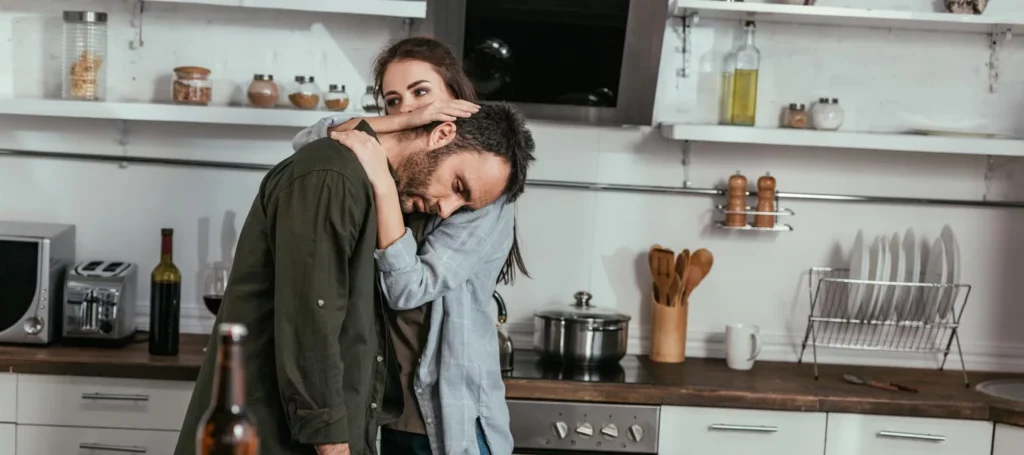
Supporting a partner with alcohol-related problems can involve concern, uncertainty and exhaustion. Alcohol use disorder (AUD) is a medical condition, but a partner cannot diagnose it or force recovery. You can encourage assessment while protecting your own safety and wellbeing.
How to start a conversation
Table of Contents
Choose a time when neither person is intoxicated and there is no immediate crisis. Describe specific behavior and its impact, listen without debating labels, and offer a concrete next step such as contacting a healthcare professional. Avoid threats you cannot follow through on or promises to keep dangerous behavior secret.
Boundaries are not punishment
A boundary describes what you will do to protect safety, finances, children or the home. Examples might include not riding with an impaired driver or not providing money that may be used for alcohol. Support does not require covering up consequences or taking responsibility for another adult’s treatment.
Safety and professional help
If there is violence, coercive control, stalking or fear of retaliation, prioritize private safety planning rather than couples counseling. Call 911 for immediate danger. Severe alcohol withdrawal can also be life-threatening; a person with heavy prolonged use should seek clinical guidance before abruptly stopping.
Taking care of yourself
Individual counseling, trusted family or friends and peer-support resources can help you make decisions and maintain boundaries. Your partner’s readiness does not determine whether you are allowed to seek help.
Frequently asked questions
How can I make my partner stop drinking?
You cannot control another adult's alcohol use, but you can express concern, offer treatment options and set safety-focused boundaries.
Should I remove all alcohol from the home?
Circumstances differ, and abrupt cessation can be medically risky for someone who is dependent. Seek professional guidance.
Is couples therapy always appropriate?
No. Joint sessions may be unsafe when violence, coercion or retaliation is present.
Can I get help if my partner refuses treatment?
Yes. You can seek counseling, support and safety planning for yourself.
Sources
Last reviewed: July 4, 2026. Educational information only.
Recovery and family support resources
Reviewed By
Contributor

Contributor

Review scope: Clinical and recovery review for educational accuracy and clarity.
Last reviewed: July 4, 2026